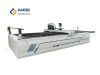
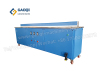
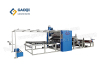
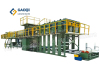
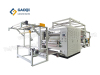
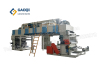
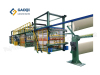
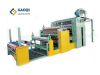
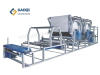
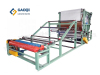
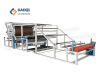
Water-based glue lamination machines have significant potential to enhance productivity, improve product quality, and unlock new possibilities for manufacturers. Here are some key areas where water-based glue lamination machines can unlock their potential:
-
Enhanced bonding capabilities: Water-based glue lamination machines offer excellent bonding capabilities, allowing for strong adhesion between different substrates. By optimizing adhesive formulations and application techniques, manufacturers can achieve reliable and durable bonds. This opens up opportunities to use a wider range of materials and create innovative laminated products.
-
Eco-friendly and sustainable solutions: Water-based adhesives used in these machines are typically more environmentally friendly compared to solvent-based adhesives. They have lower volatile organic compound (VOC) emissions, reducing the impact on air quality and worker health. With increasing focus on sustainability, water-based glue lamination machines provide a greener alternative for laminating processes.
-
Versatile material combinations: Water-based glue lamination machines enable the lamination of various material combinations, including paper, cardboard, fabrics, films, foams, plastics, metals, and more. This versatility allows manufacturers to explore new design possibilities and create unique products with improved functionality and aesthetics.
-
Customization and personalization: Water-based glue lamination machines allow for customization and personalization of laminated products. Manufacturers can incorporate different textures, patterns, colors, or finishes into the lamination process, providing customers with tailored solutions that meet their specific requirements and preferences.
-
Improved product performance: By laminating multiple layers of materials, manufacturers can enhance product performance characteristics such as strength, durability, insulation, moisture resistance, fire resistance, and more. Water-based glue lamination machines enable precise control over adhesive application and bonding, resulting in consistent and reliable product performance.
-
Cost-effective production: Water-based glue lamination machines offer cost advantages over other lamination methods. The use of water-based adhesives is generally less expensive than solvent-based adhesives. Additionally, these machines can streamline production processes, reduce material waste, and increase efficiency, leading to cost savings in the long run.
-
Integration with automation and digital technologies: Water-based glue lamination machines can be integrated with automation and digital technologies to further enhance productivity and efficiency. Examples include automated material handling systems, robotic adhesive application, inline quality monitoring, data analytics, and real-time process control. These advancements can optimize the lamination process and provide valuable insights for continuous improvement.
-
Compliance with industry regulations and standards: Water-based glue lamination machines help manufacturers meet industry regulations and standards related to product safety, environmental impact, and worker health. By using water-based adhesives that have low VOC emissions and complying with regulations such as RoHS (Restriction of Hazardous Substances), manufacturers can ensure their products are safe and compliant.
-
Collaboration and innovation: Water-based glue lamination machines encourage collaboration between manufacturers, adhesive suppliers, and other stakeholders. By working together, they can develop new adhesive formulations, explore novel material combinations, and push the boundaries of what is possible in lamination technology. This collaborative approach fosters innovation and drives industry advancements.
-
Market differentiation and competitive advantage: By utilizing the potential of water-based glue lamination machines, manufacturers can differentiate themselves in the market and gain a competitive edge. The ability to offer high-quality, customized, and sustainable laminated products sets them apart from competitors and appeals to environmentally conscious customers.
In conclusion, water-based glue lamination machines have immense potential to revolutionize manufacturing processes, create innovative products, and meet evolving market demands. Unlocking this potential requires a proactive approach to optimize adhesive formulations, embrace sustainability, leverage automation and digital technologies, and foster collaboration. By doing so, manufacturers can harness the full capabilities of water-based glue lamination machines and stay ahead in today’s rapidly changing business landscape.