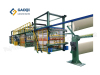
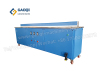
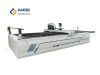
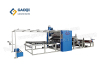
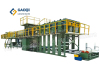
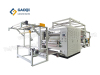
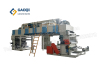
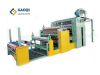
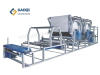
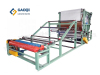
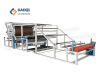
Water-based glue lamination machines are versatile and widely used in various industries for bonding materials together. Here are some secrets behind their operation:
-
Adhesive compatibility: Water-based glue lamination machines are specifically designed to work with water-based adhesives. These adhesives are environmentally friendly, non-toxic, and offer excellent bonding properties. However, it is crucial to ensure that the adhesive you use is compatible with the machine’s application system, drying/curing method, and the materials being laminated.
-
Substrate preparation: Proper preparation of the substrates is essential for achieving strong and durable bonds. The surfaces to be laminated should be clean, dry, and free from any contaminants like dust, oils, or residues. Preparing the substrates through cleaning, sanding, or priming can improve adhesion and enhance the overall bond strength.
-
Glue application techniques: Water-based glue lamination machines employ various techniques for applying adhesive. These can include roller application, spray application, or slot die coating. Each technique has its advantages and considerations, such as the desired adhesive thickness, evenness, and speed of application. Understanding the different techniques and selecting the most appropriate one for your application is key to achieving optimal results.
-
Drying and curing methods: After adhesive application, the laminated materials need to go through a drying/curing process to achieve maximum bond strength. Water-based adhesives typically require heat and airflow to evaporate the water content and initiate the curing process. Different drying/curing methods like hot air ovens, infrared heating, or UV curing can be employed depending on the adhesive formulation, production speed, and material requirements.
-
Temperature and humidity control: Controlling the temperature and humidity levels in the lamination area is critical for successful bonding. Adhesive performance can be affected by extreme temperatures or high humidity, leading to issues like slow drying/curing, poor bond strength, or adhesive failure. Maintaining the recommended temperature and humidity ranges specified by the adhesive manufacturer is essential for consistent and reliable results.
-
Pressure application: Applying proper pressure during lamination ensures intimate contact between the adhesive and the substrates, resulting in a strong bond. Water-based glue lamination machines employ various pressure application methods like nip rollers, press plates, or hydraulic presses. The appropriate pressure setting depends on factors such as the adhesive type, substrate thickness, and required bond strength.
-
Quality control: Implementing quality control measures at various stages of the lamination process is crucial to ensure consistent and reliable bonding. Regularly inspecting the laminated materials for defects, such as bubbles, delamination, or uneven adhesion, helps identify any issues early on. Conducting peel tests, shear tests, or other relevant tests can also be performed to verify bond strength and adherence to quality standards.
Understanding the secrets behind water-based glue lamination machines can help you optimize their performance, troubleshoot issues, and achieve high-quality laminated products. By considering factors like adhesive compatibility, substrate preparation, application techniques, drying/curing methods, and proper quality control, you can unlock the full potential of these machines in your production processes.